Ultrasound-guided bedside PICC placement, Midline insertion, and vascular access maintenance across Northern California.
Searching for mobile PICC line placement or a vascular access nurse near you? We bring safe, expert, ultrasound-guided vascular access directly to your patients — at the bedside, on time, every time.
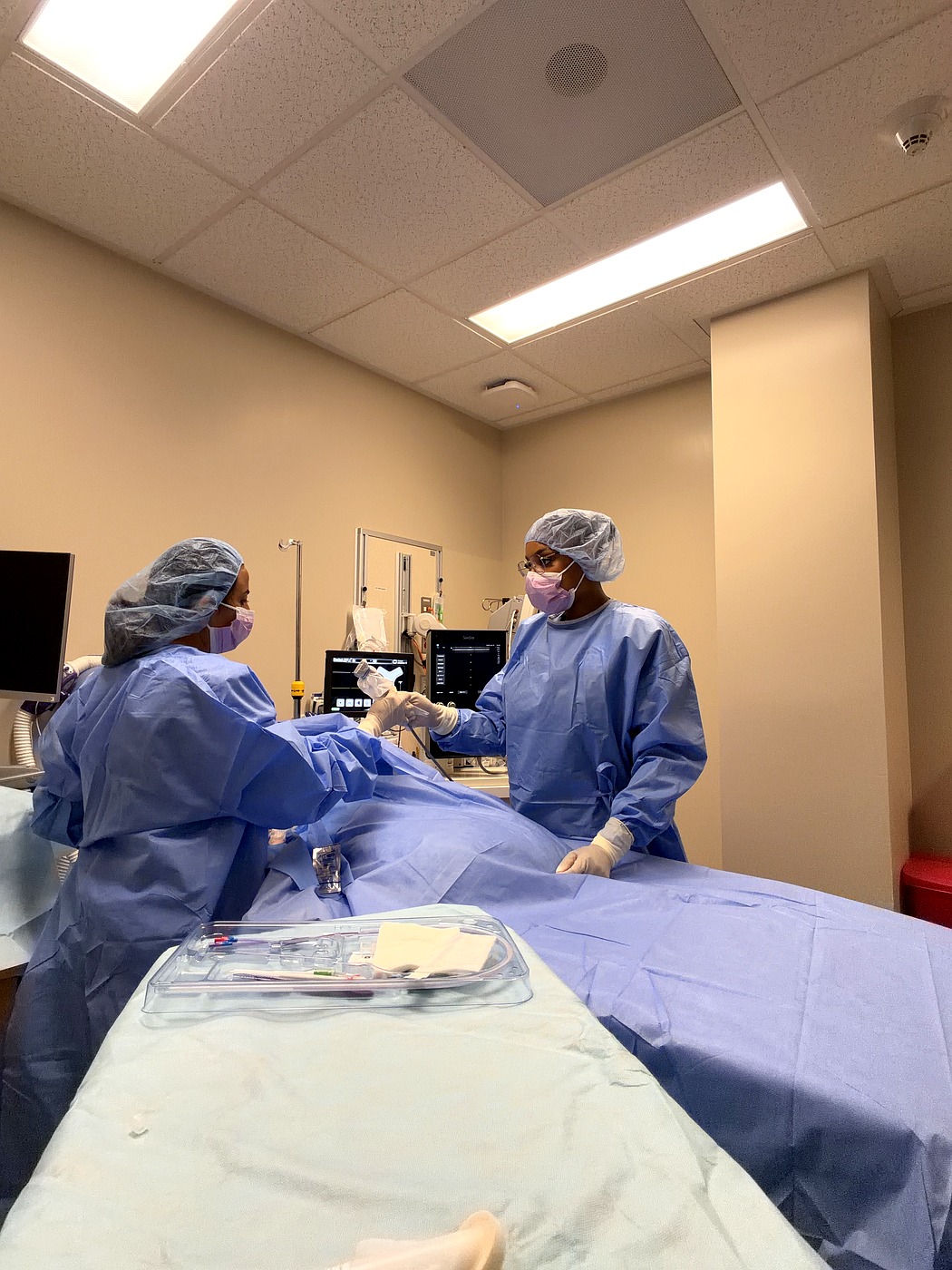
Bedside ultrasound-guided insertion with Sherlock 3CG™ tip-navigation to verify cavoatrial junction placement instantly without X-ray delays.
Sterile 1–4 week intermediate vascular access via modified Seldinger technique, reducing infection risks while preserving central line CLABSI metrics.
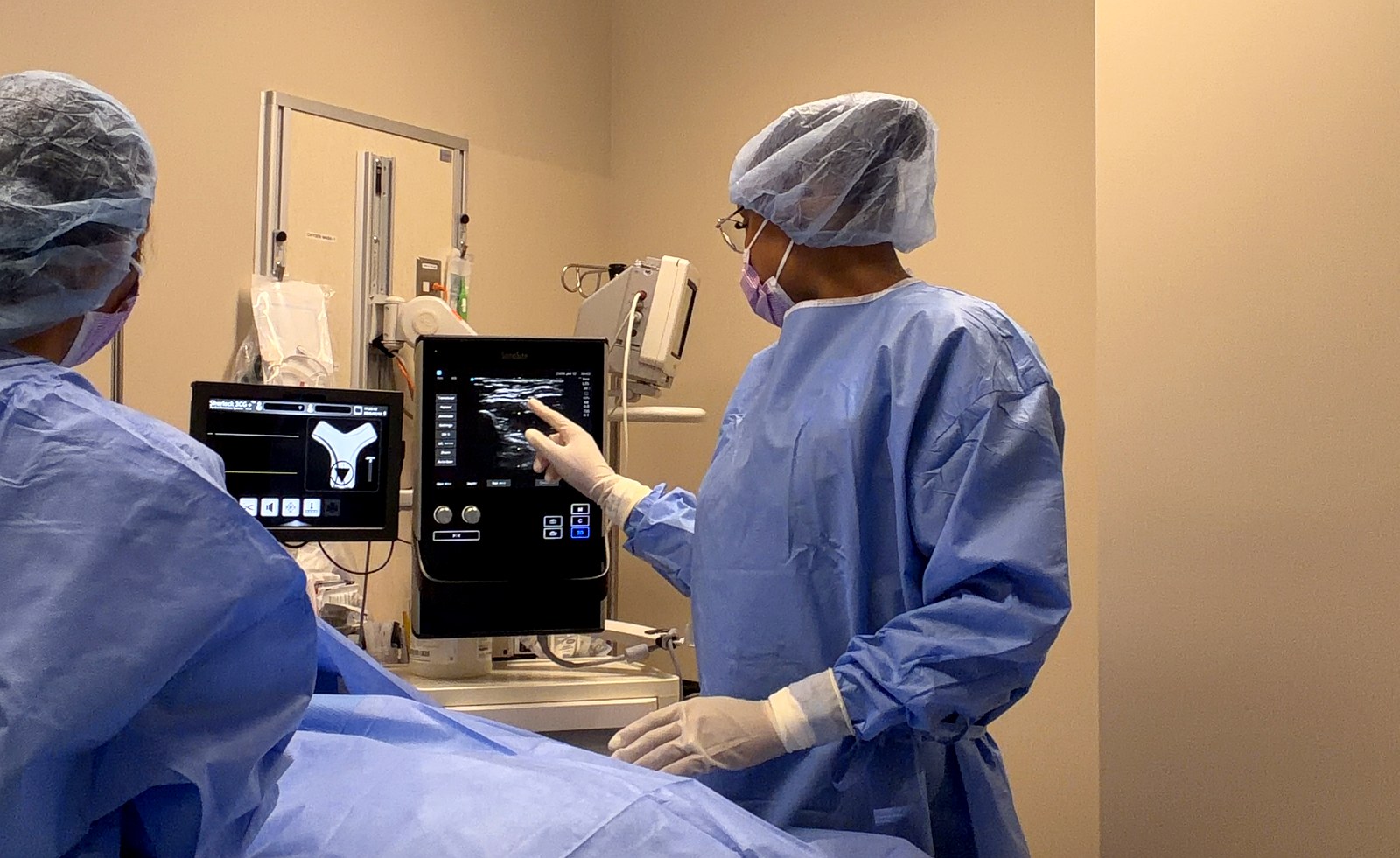
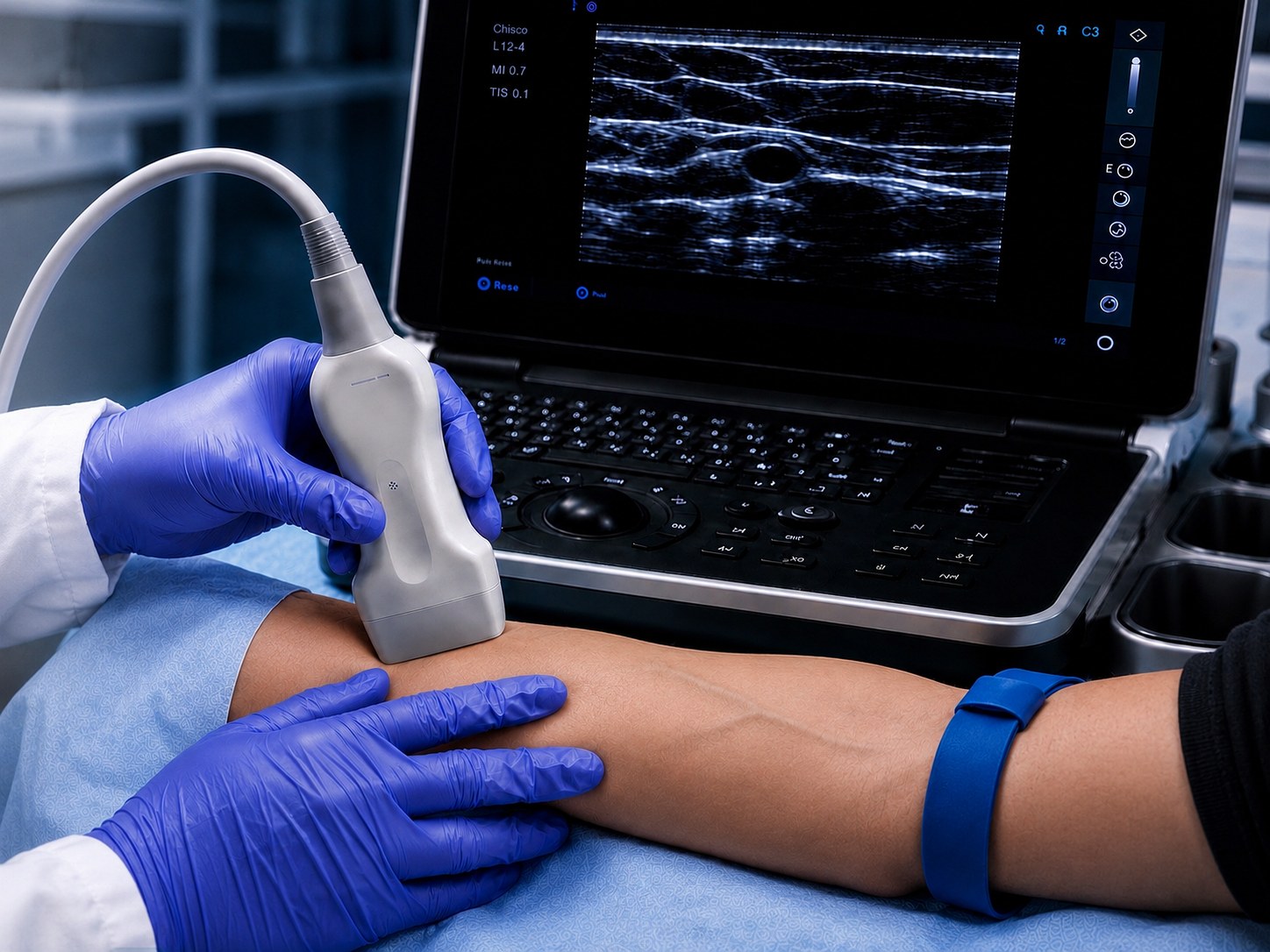
Real-time acoustic imaging for hard-stick, dehydrated, or fragile vessels, preventing repeated traumatic blind sticks and preserving vein integrity.
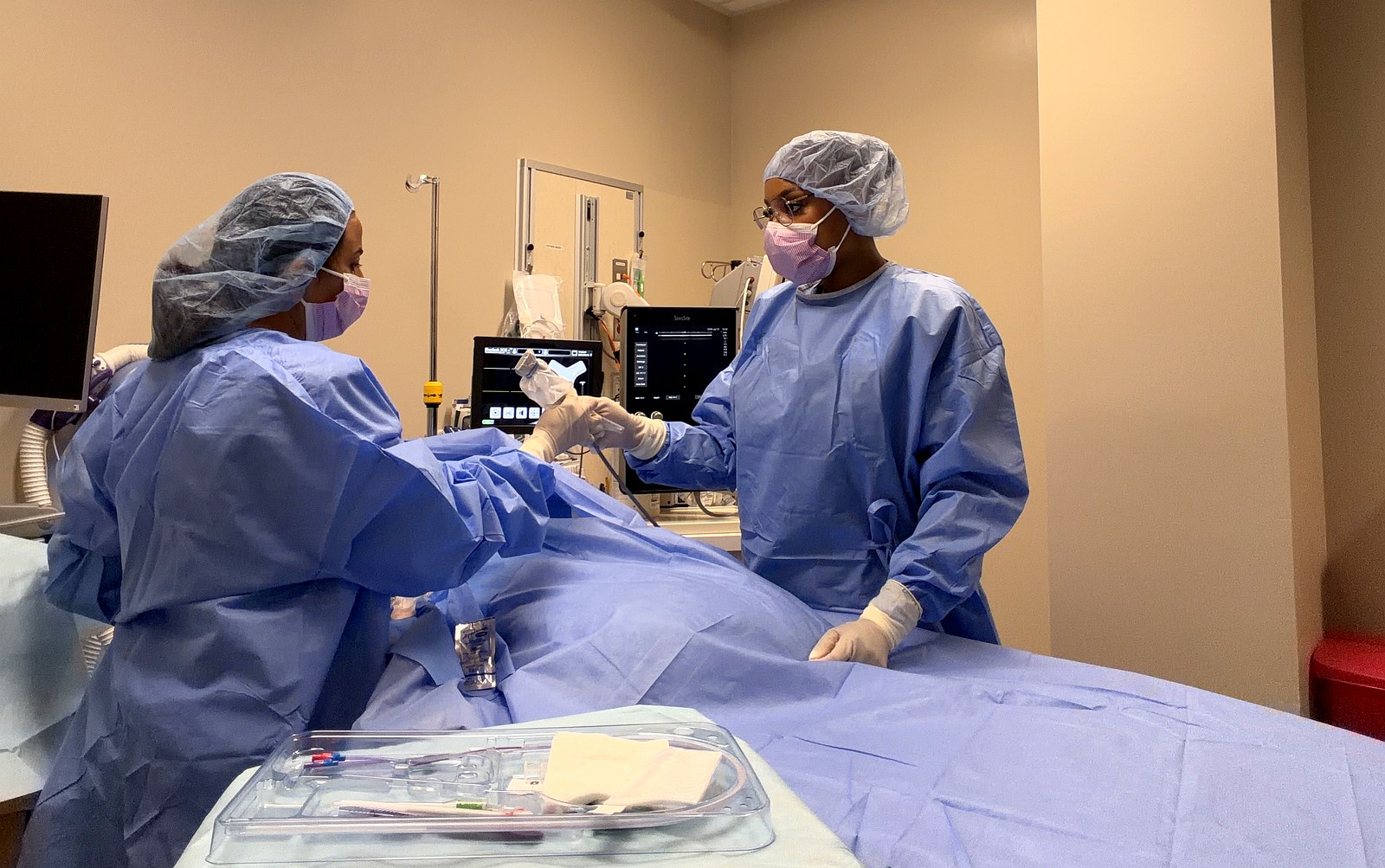
Intraluminal restoration using targeted Alteplase instillation to dissolve fibrin sheaths and clear occlusions bedside.
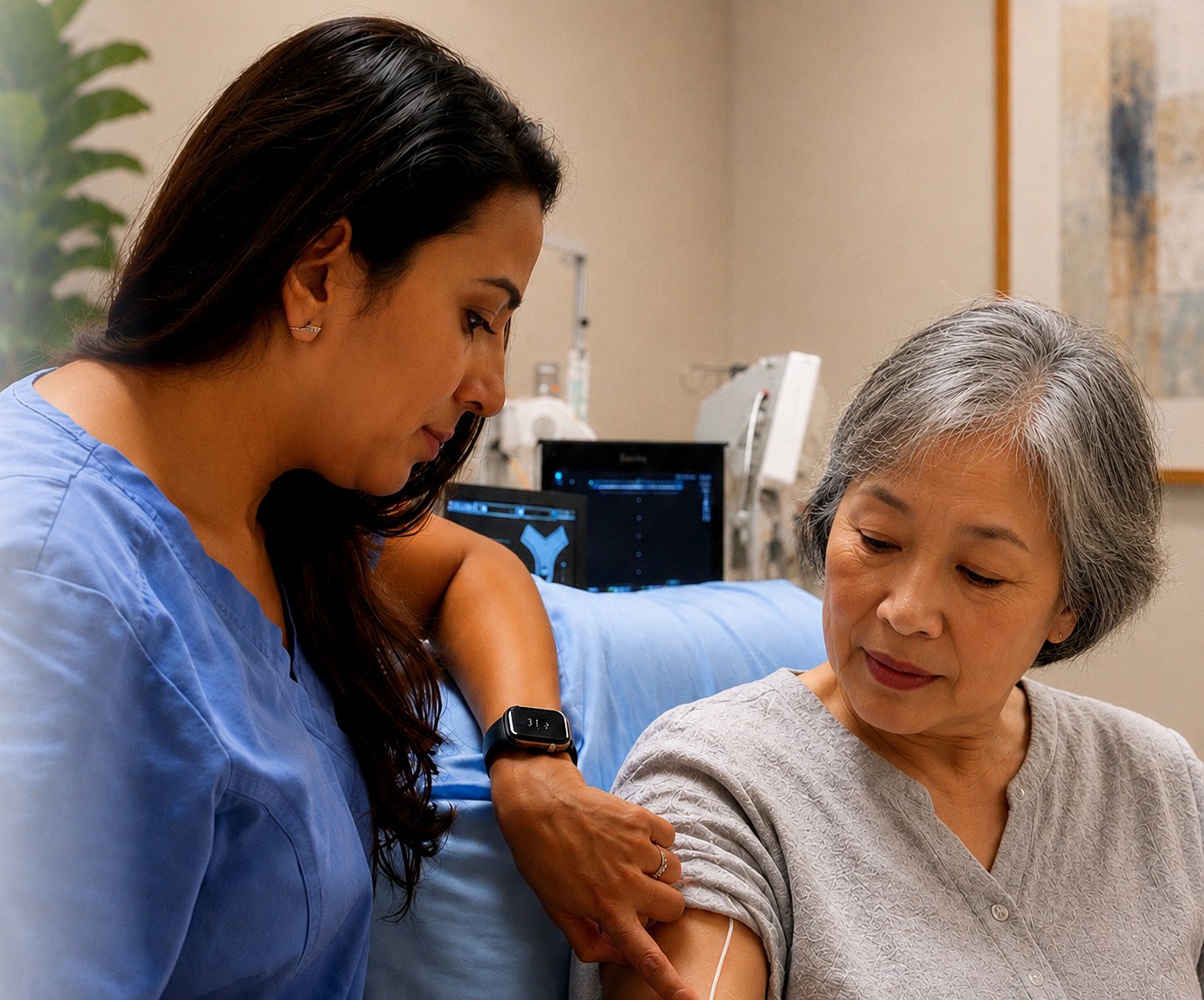
Hospital-grade chlorhexidine antisepsis dressing changes and securement kit replacement to maintain strict aseptic barrier compliance.
Pre-placement vascular ultrasound assessment to evaluate vein caliber, depth, and anatomical viability prior to therapy initiation.
We use real-time ultrasound guidance for every vascular access procedure — visualizing veins, navigating safely, and confirming tip placement at the bedside using the Sherlock 3CG system. No guesswork. No delays.
First-Stick Success
Real-time visualization dramatically increases first-attempt placement rates
Fewer Complications
Ultrasound guidance reduces arterial puncture, nerve injury, and failed placements
Bedside Tip Confirmation
Sherlock 3CG confirms PICC tip placement without waiting for a chest X-ray
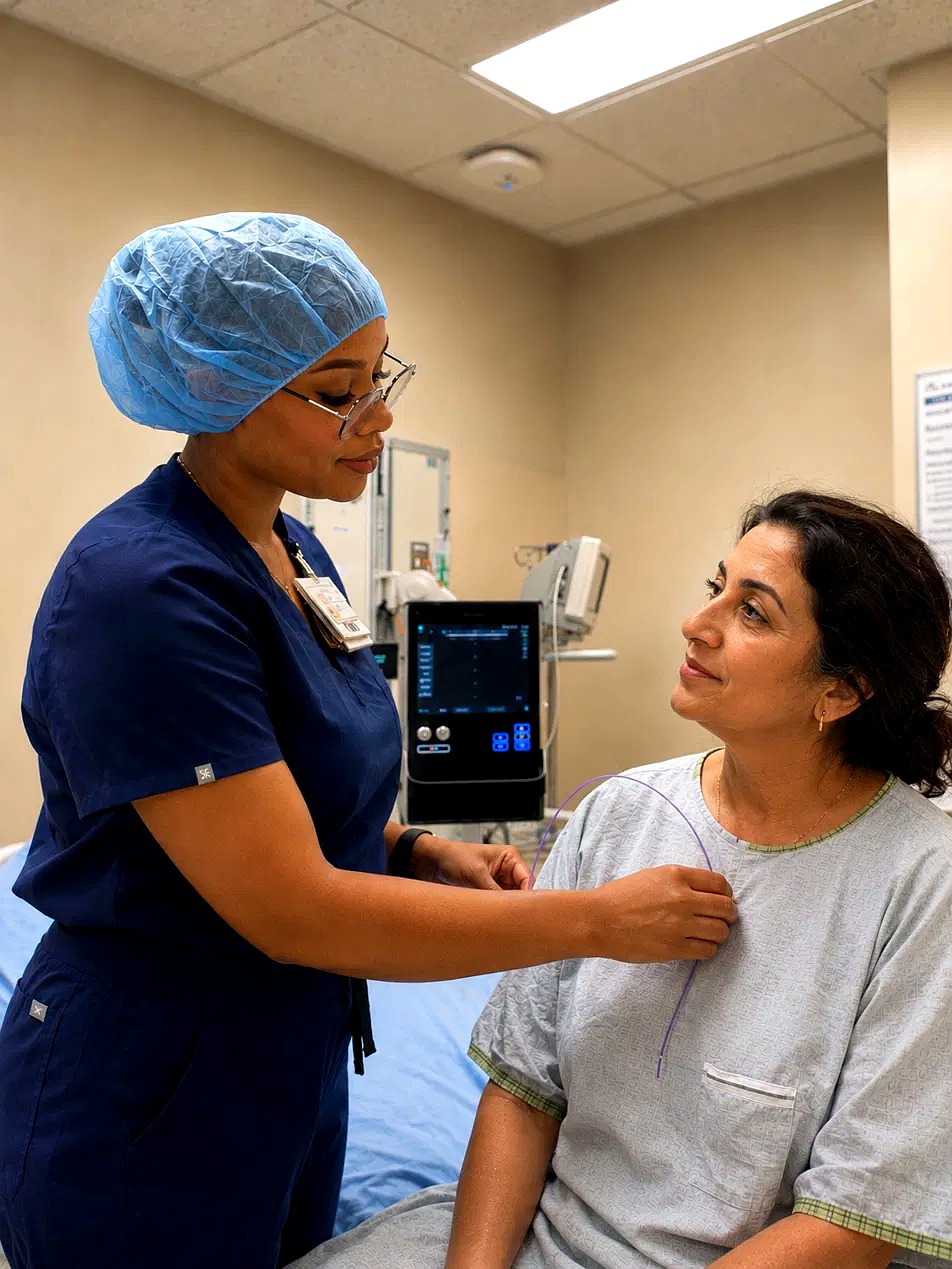
We take time with every patient to explain the procedure, answer questions, and ensure they feel comfortable and informed before, during, and after line placement. An educated patient is a safer patient.
Pre-Procedure Explanation
We explain every step of the procedure clearly — no medical jargon, just clear, calm communication.
PICC & Midline Care Instructions
Patients and caregivers receive clear instructions on how to care for and protect their line at home.
Signs & Symptoms to Watch For
We educate patients on when to call their provider — infection, occlusion, dislodgement — keeping them safe between visits.
Facility & Family Communication
We communicate directly with your clinical team and, when appropriate, with family members for continuity of care.
We are a trusted extension of your clinical team — responsive, reliable, and deeply skilled.
Send a Referral →We follow evidence-based protocols to minimize complications and keep patients safe.
We come directly to hospitals, clinics, nursing facilities, and patients' homes.
Ultrasound-guided techniques for accurate placement and optimal patient outcomes.
We treat every patient with warmth, dignity, and personalized compassionate care.

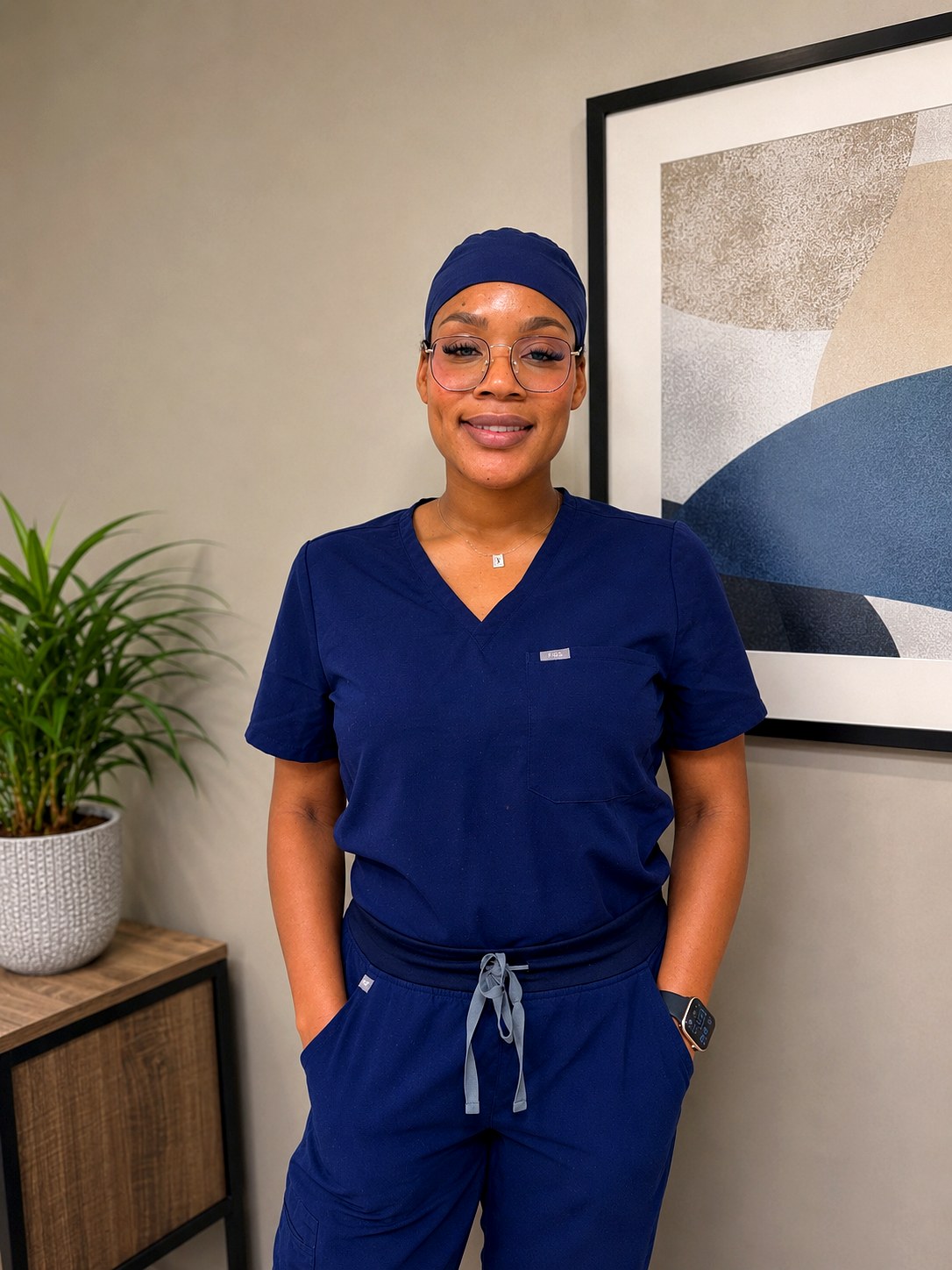
A PICC line (Peripherally Inserted Central Catheter) is used for long-term intravenous treatments requiring reliable venous access, including extended IV antibiotic courses, total parenteral nutrition (TPN), chemotherapy, and frequent blood draws without repeated needle sticks.
The key difference is catheter length and tip location. A PICC line is a central line terminating at the cavoatrial junction near the heart for long-term therapies. A midline catheter terminates in the upper arm below the axilla for intermediate therapies lasting 1 to 4 weeks, avoiding central line CLABSI complications.
No, a midline catheter is not a central line. Because its tip rests below the axillary line in the peripheral vasculature rather than the central chest veins, it preserves central venous capital and carries a lower risk of bloodstream infection.
For patients with deep, rolling, fragile, or collapsed veins, our nurses use real-time SonoSite ultrasound guidance. Acoustic visualization identifies vessel caliber and depth, achieving a 99.2% first-stick success rate and preventing painful repeated blind sticks.
Yes. We perform intraluminal catheter declotting using targeted Alteplase (Cathflo®) instillation bedside to dissolve fibrin sheaths and thrombi, quickly restoring line patency without replacing the catheter.